
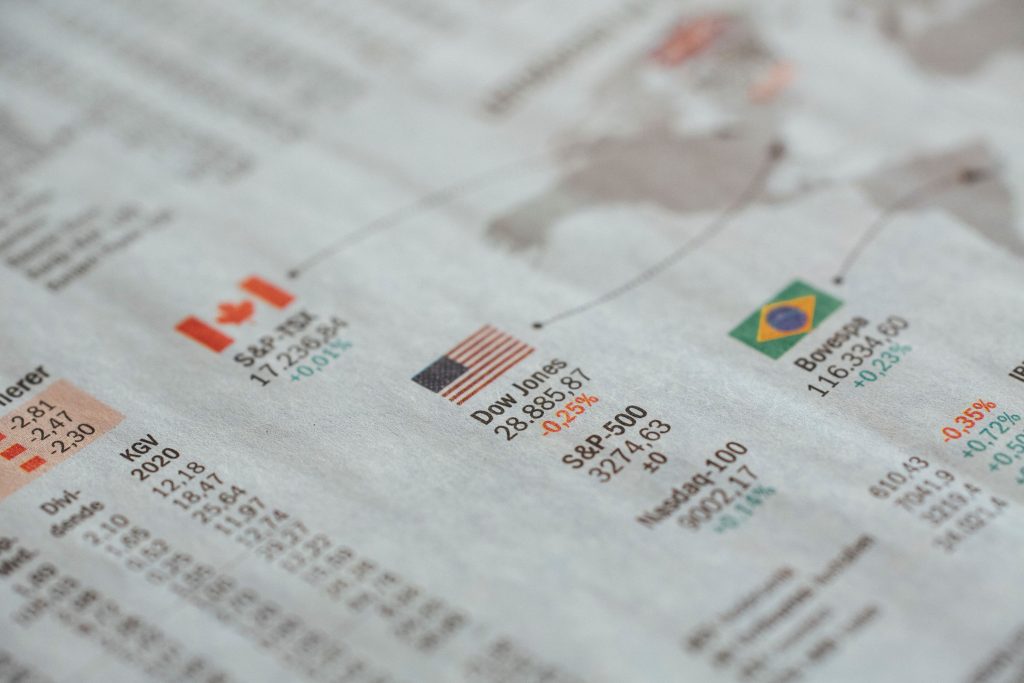
Global financial markets operate across time zones, creating a near-continuous cycle of trading that spans the world. From the open of Asian sessions through Europe and into the Americas, major stock exchanges handle trillions of dollars in daily volume. Understanding their locations, key features, and trading hours is essential for traders, investors, and anyone following global markets.
Below is an overview of some of the world’s largest and most influential stock exchanges, ordered roughly by typical market capitalization or global significance, along with their standard trading hours (local time). Note that hours can vary due to holidays, early closes, or daylight-saving adjustments. Always verify current schedules with the exchange for precision.
1. New York Stock Exchange (NYSE) & Nasdaq — New York, USA
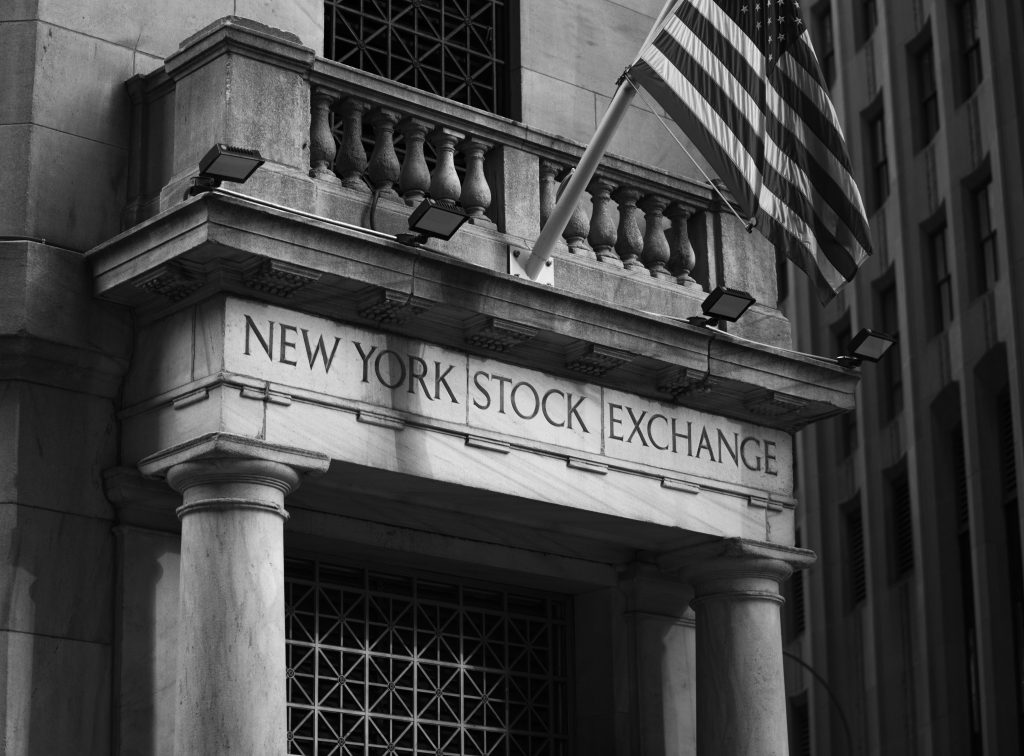
• Why it matters: The NYSE is the world’s largest stock exchange by market capitalization. Nasdaq is the leading electronic exchange and home to many major technology companies.
• Trading hours: Monday–Friday, 9:30 a.m. – 4:00 p.m. Eastern Time (ET).
Pre-market and after-hours sessions exist but with lower liquidity.
• Time zone note: Eastern Time (UTC−5 standard / UTC−4 daylight).
2. Tokyo Stock Exchange (TSE / JPX) — Tokyo, Japan
• Why it matters: Japan’s primary exchange and one of Asia’s most important equity markets. It is part of the Japan Exchange Group.
• Trading hours: Monday–Friday, 9:00 a.m. – 11:30 a.m. and 12:30 p.m. – 3:00 p.m. Japan Standard Time (JST).
There is a midday break.
• Time zone note: Japan Standard Time (UTC+9, no daylight saving).
3. Shanghai Stock Exchange (SSE) & Shenzhen Stock Exchange — China
• Why it matters: Together these form the core of mainland China’s equity market, which ranks among the largest in the world by market value.
• Trading hours (both exchanges are similar): Monday–Friday, 9:30 a.m. – 11:30 a.m. and 1:00 p.m. – 3:00 p.m. China Standard Time (CST).
Morning and afternoon sessions with a lunch break.
• Time zone note: China Standard Time (UTC+8).
4. Hong Kong Stock Exchange (HKEX) — Hong Kong
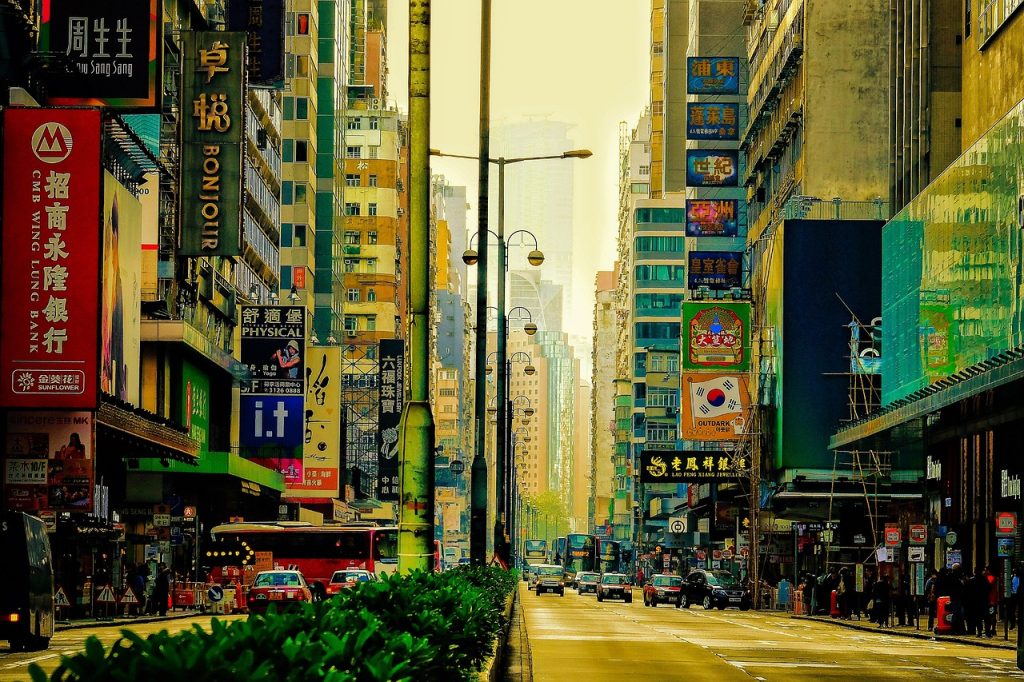
• Why it matters: A major international gateway for Chinese and Asian companies, known for high liquidity and global investor access.
• Trading hours: Monday–Friday, 9:30 a.m. – 12:00 p.m. and 1:00 p.m. – 4:00 p.m. Hong Kong Time (HKT).
Pre-opening and closing auctions apply.
• Time zone note: Hong Kong Time (UTC+8).
5. London Stock Exchange (LSE) — London, United Kingdom
• Why it matters: Europe’s largest stock exchange by many measures and a historic center of global finance. It hosts a wide range of international listings.
• Trading hours: Monday–Friday, 8:00 a.m. – 4:30 p.m. British Time (GMT/BST).
• Time zone note: Greenwich Mean Time (UTC+0) or British Summer Time (UTC+1).
6. Euronext — Multiple European cities (Amsterdam, Paris, Brussels, Lisbon, Dublin, Oslo)
• Why it matters: One of Europe’s largest exchange groups, covering major continental markets.
• Trading hours: Generally Monday–Friday, 9:00 a.m. – 5:30 p.m. Central European Time (CET/CEST).
Exact times can vary slightly by market.
• Time zone note: Central European Time (UTC+1 / UTC+2 daylight).
7. Deutsche Börse / Frankfurt Stock Exchange (Xetra) — Frankfurt, Germany

• Why it matters: Germany’s primary equity market and a key European trading venue, especially for DAX-listed companies.
• Trading hours: Monday–Friday, 9:00 a.m. – 5:30 p.m. Central European Time (CET/CEST).
• Time zone note: Same as Euronext (UTC+1 / UTC+2).
8. National Stock Exchange of India (NSE) & Bombay Stock Exchange (BSE) — India
• Why it matters: India’s two main exchanges form one of the world’s fastest-growing and most active equity markets.
• Trading hours: Monday–Friday, 9:15 a.m. – 3:30 p.m. Indian Standard Time (IST).
• Time zone note: Indian Standard Time (UTC+5:30).
9. Australian Securities Exchange (ASX) — Sydney, Australia
• Why it matters: The dominant exchange in the Asia-Pacific region outside of the major North Asian centers.
• Trading hours: Monday–Friday, 10:00 a.m. – 4:00 p.m. Australian Eastern Time (AET).
Pre-open and closing auction phases apply.
• Time zone note: Australian Eastern Standard/Daylight Time (UTC+10 / UTC+11).
10. Toronto Stock Exchange (TSX) — Toronto, Canada
• Why it matters: Canada’s main equity market, particularly important for resource and energy companies.
• Trading hours: Monday–Friday, 9:30 a.m. – 4:00 p.m. Eastern Time (ET) — aligned with U.S. markets.
• Time zone note: Eastern Time (same as NYSE/Nasdaq).
How the Global Trading Day Flows
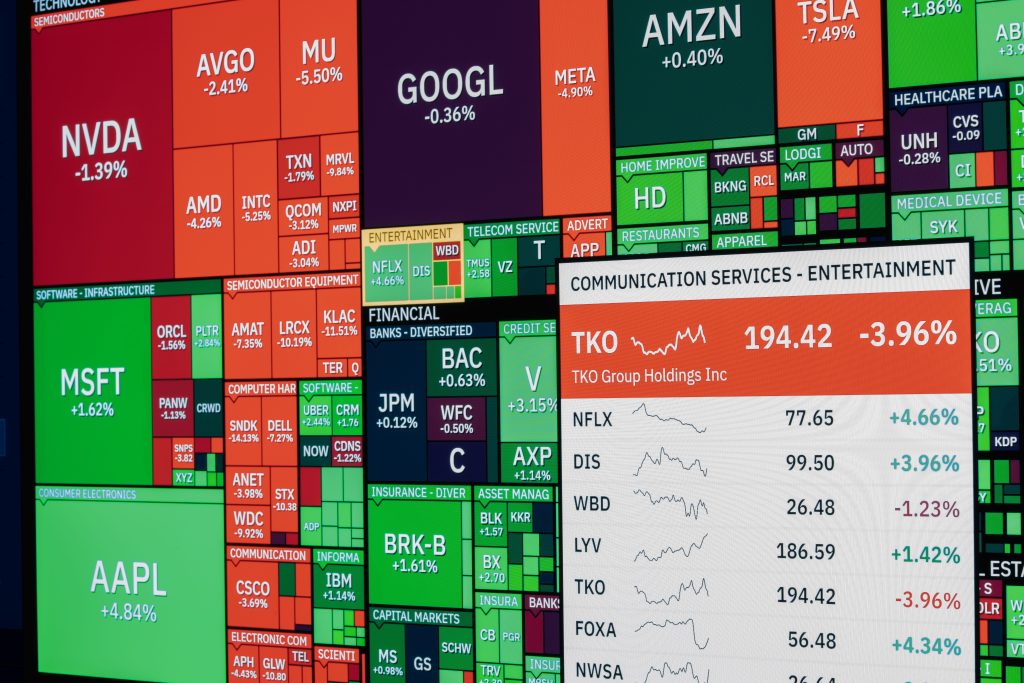
Markets open in sequence roughly as follows (approximate UTC times, subject to daylight-saving shifts):
• Asia opens first (Tokyo, then Shanghai/Hong Kong, then Australia).
• Europe follows (London, Frankfurt/Euronext).
• North America closes the cycle (New York, Toronto).
This sequential opening creates overlapping sessions that are often the most active periods for currency, futures, and cross-market trading (e.g., the London–New York overlap).
Practical Tips
• Daylight saving time affects U.S., European, Australian, and some other markets, shifting relative UTC times twice a year.
• Holidays differ by country; major markets frequently close or have shortened sessions on national holidays.
• After-hours and futures markets (especially equity index and currency futures) allow trading almost 24 hours a day outside regular cash-market sessions.
• Always cross-check official exchange websites or reliable market data providers for the latest hours, holiday calendars, and any temporary changes.
The continuous handoff between these major trading centers is what makes modern global markets so interconnected. Whether you are watching Asian technology stocks, European industrials, or U.S. megacaps, knowing when each venue is open helps you understand liquidity, volatility patterns, and the best times to act.