
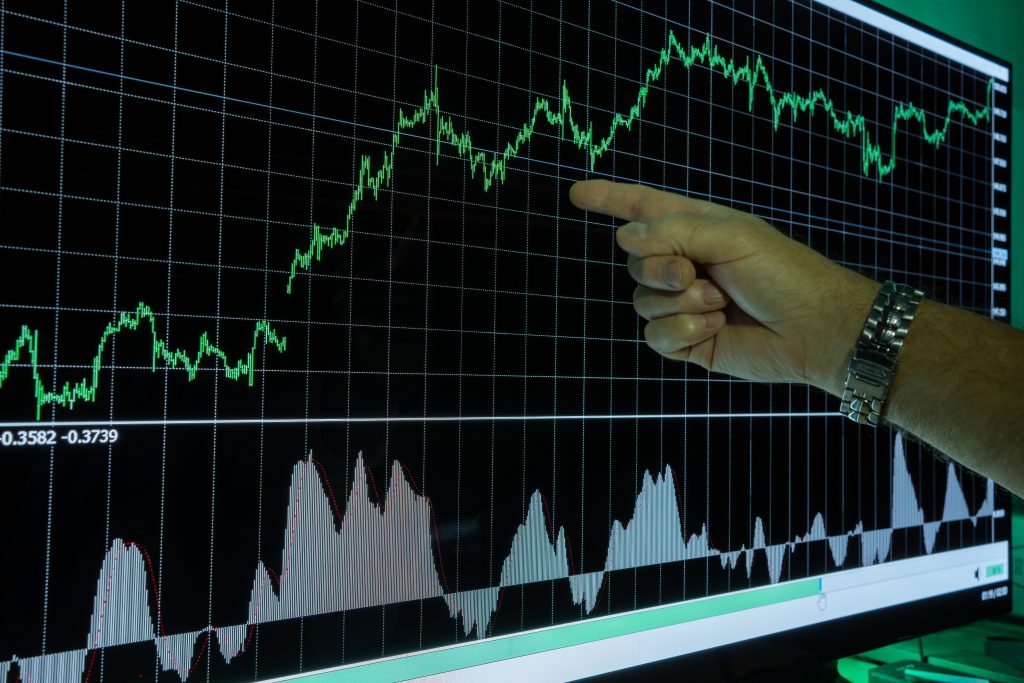
Financial markets do not move in a straight line. Prices cycle through distinct phases driven by supply and demand, investor psychology, and institutional activity. Understanding these phases helps traders identify the current environment, choose appropriate strategies, and avoid fighting the prevailing trend.
The classic framework, rooted in the work of Richard Wyckoff and later refined by modern technical analysts, divides the market cycle into four primary phases: accumulation, markup (or uptrend), distribution, and markdown (or downtrend). Some traders also recognize transitional or range-bound periods between them.
1. Accumulation Phase
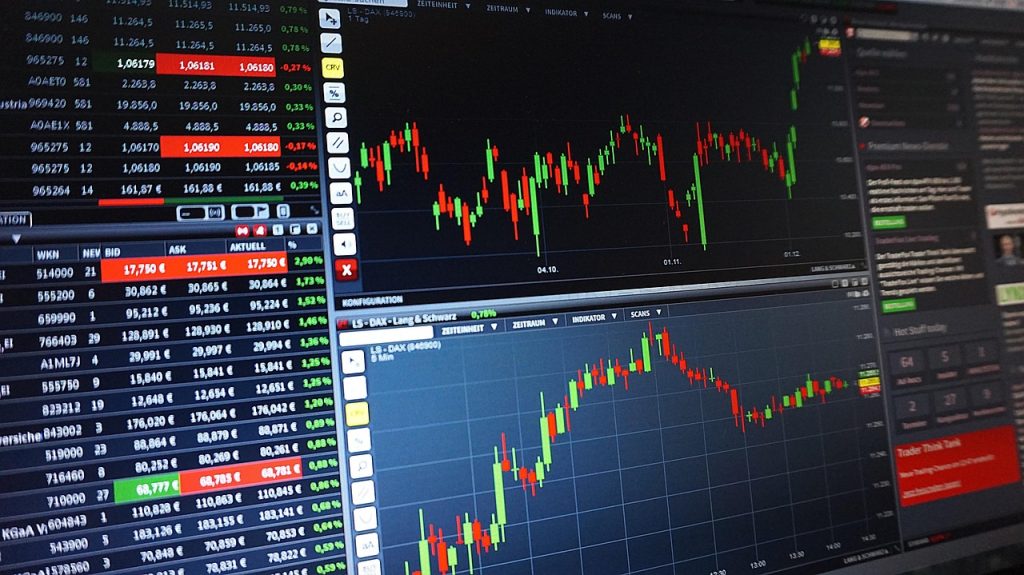
After a prolonged decline, selling pressure begins to exhaust. Smart money (institutions, large players) starts quietly buying while the general public remains fearful or disinterested.
Key characteristics:
• Price trades sideways in a relatively tight range after a downtrend.
• Volume is often lower overall, with occasional spikes on up days as accumulation occurs.
• Support levels hold firmly; attempts to break lower are met with buying.
• Sentiment is typically bearish or apathetic—news is still negative, and many retail traders have given up.
Trading implications: Aggressive buying is risky until clear evidence of demand appears (higher lows, increasing volume on rallies). Patient traders watch for a breakout above the range with strong volume as confirmation that markup is beginning. Position sizing is usually conservative.
2. Markup Phase (Uptrend)
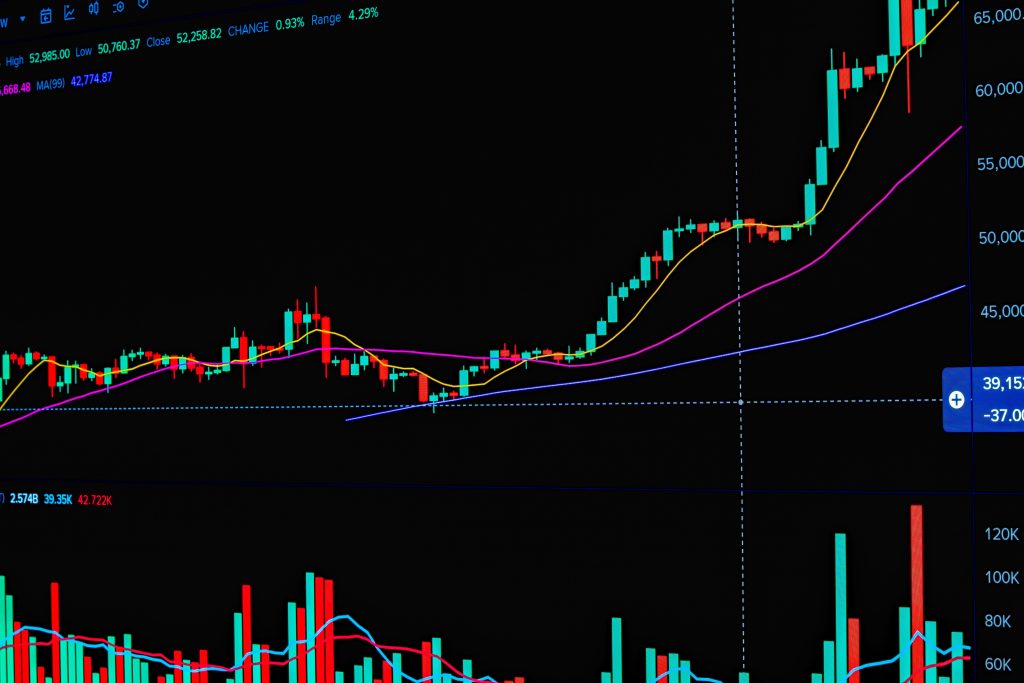
Once accumulation is complete, demand overwhelms supply and price begins a sustained advance.
Key characteristics:
• Series of higher highs and higher lows.
• Pullbacks are relatively shallow and short-lived.
• Volume tends to expand on rallies and contract on corrections.
• Moving averages (e.g., 50-day and 200-day) slope upward and often act as dynamic support.
• Sentiment gradually shifts from skepticism to optimism and eventually euphoria.
Trading implications: This is generally the most favorable environment for long positions. Trend-following strategies, buying dips, and holding winners work well. Breakouts from consolidation patterns within the uptrend often continue. Shorting is usually low-probability unless clear distribution signals appear at the end of the phase.
3. Distribution Phase
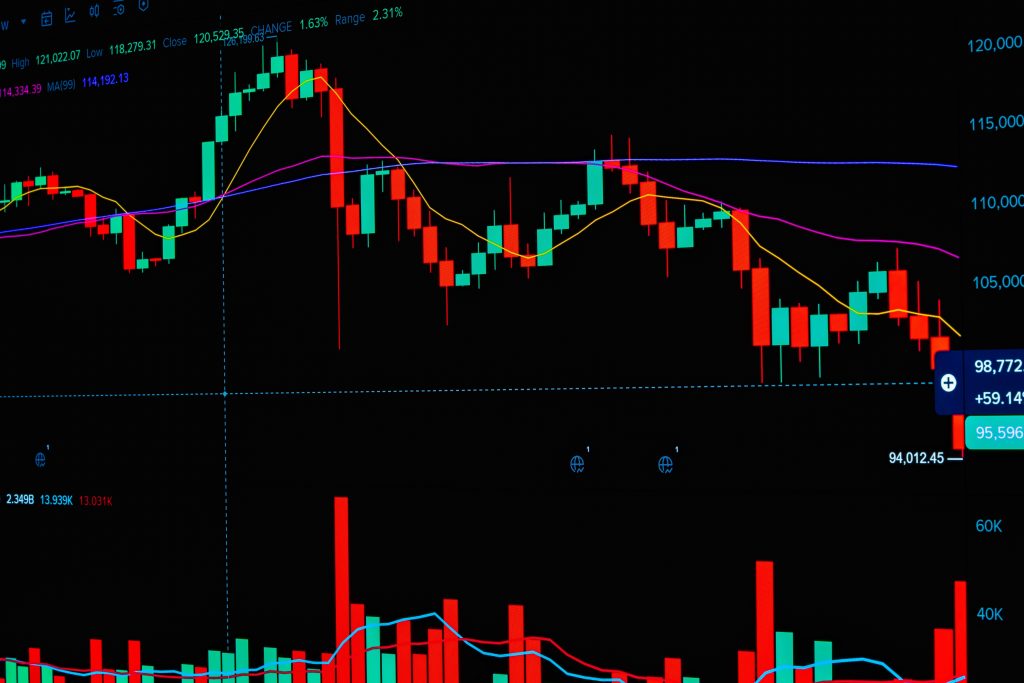
After a strong advance, large players begin selling into strength while the public is most optimistic.
Key characteristics:
• Price again moves sideways, often near previous highs, forming a trading range or topping pattern (double top, head-and-shoulders, etc.).
• Volume may increase on down days within the range.
• Failed rallies and lower highs start appearing.
• Sentiment reaches peak bullishness—media coverage is glowing, and retail participation is high.
Trading implications: Long positions become riskier. Traders look for signs of weakening demand (declining volume on rallies, inability to make new highs). Short setups improve once price breaks below key support of the distribution range with conviction. Many professionals reduce exposure or hedge during this phase.
4. Markdown Phase (Downtrend)
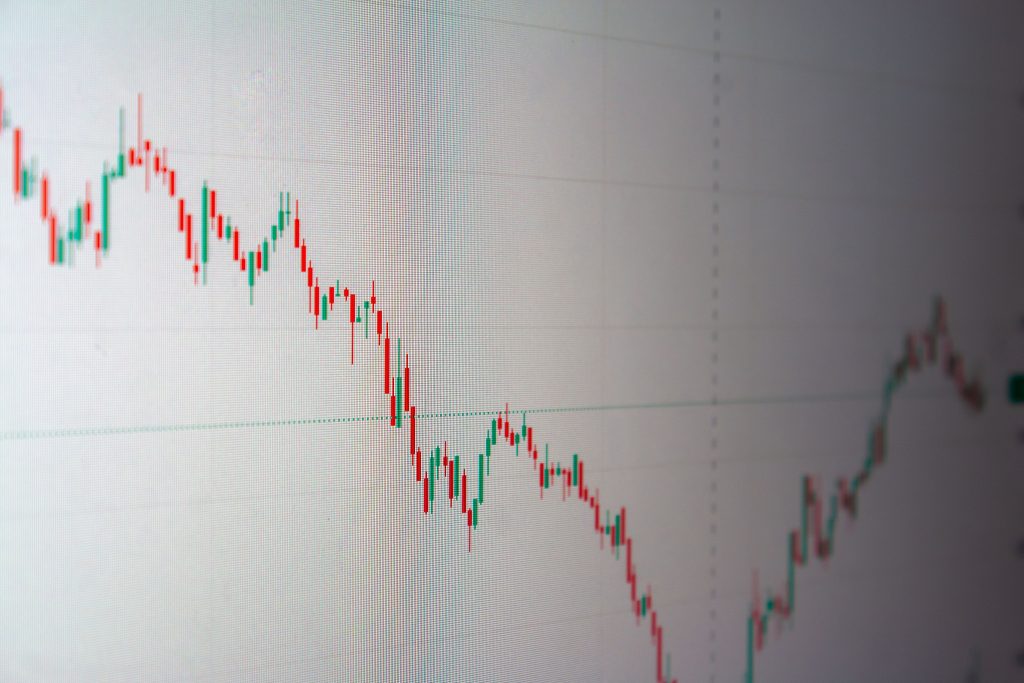
Supply overwhelms demand and prices decline, often accelerating as stop-losses and forced selling kick in.
Key characteristics:
• Series of lower highs and lower lows.
• Rallies are weak and quickly sold.
• Volume frequently expands on declines.
• Moving averages slope downward and act as resistance.
• Sentiment shifts from denial to fear and eventually capitulation.
Trading implications: Short-selling or remaining in cash/defensive positions is generally favored. Buying “dips” is dangerous until clear accumulation signs emerge. Trend-following on the downside (selling rallies) can be effective. Capital preservation becomes the priority for most participants.
Additional Notes on Market Phases
• Transitions are rarely clean. Markets can spend extended time in ranges, and false breakouts are common.
• Time frames matter. A daily chart may show markup while a weekly chart is still in distribution, or vice versa. Aligning multiple time frames improves clarity.
• Volume and price action are more reliable than indicators alone for identifying phases. Look for the relationship between price movement and participation.
• Psychology drives the cycle. Fear and greed create the extremes that smart money exploits.
• Not every market or asset follows the textbook sequence perfectly—especially in strong secular trends or during major external shocks—but the underlying principles of supply, demand, and sentiment remain useful.
Important
Recognizing the current market phase does not guarantee profitable trades, but it significantly improves the odds of selecting strategies that fit the environment. In accumulation and early markup, patience and selective buying tend to work better. In distribution and markdown, capital preservation and selective shorting or staying sidelined often prove wiser. Successful traders continuously reassess the phase rather than forcing a single approach onto every market condition.